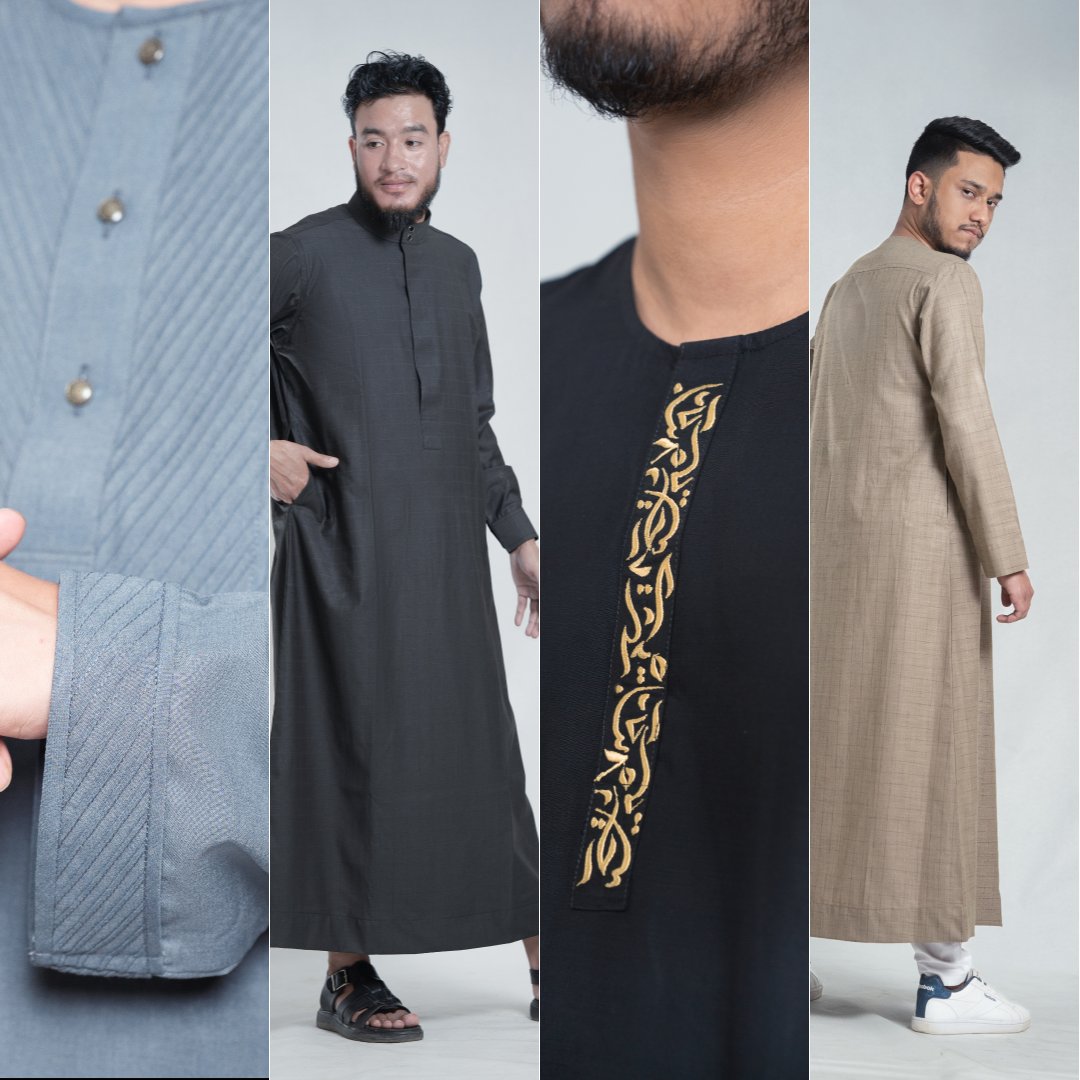


The clothes a Muslim man wears do not create sincerity, and no garment can guarantee khushu in salah. Yet clothing can still shape the way he approaches worship. A clean, modest outfit may remove practical distractions, mark the transition from ordinary activity to prayer, and remind him that he is standing before Allah. The benefit lies not in the fabric itself, but in the intention and conduct connected to it.
Clothing Is a Provision, Not Proof of Piety
The Qur'an presents clothing as both a covering and an adornment, then immediately directs attention to what matters most: “the clothing of righteousness—that is best” (Qur'an 7:26). This balance is essential. Islam does not treat appearance as meaningless, but neither does it make outward style a measure of a person's rank with Allah.
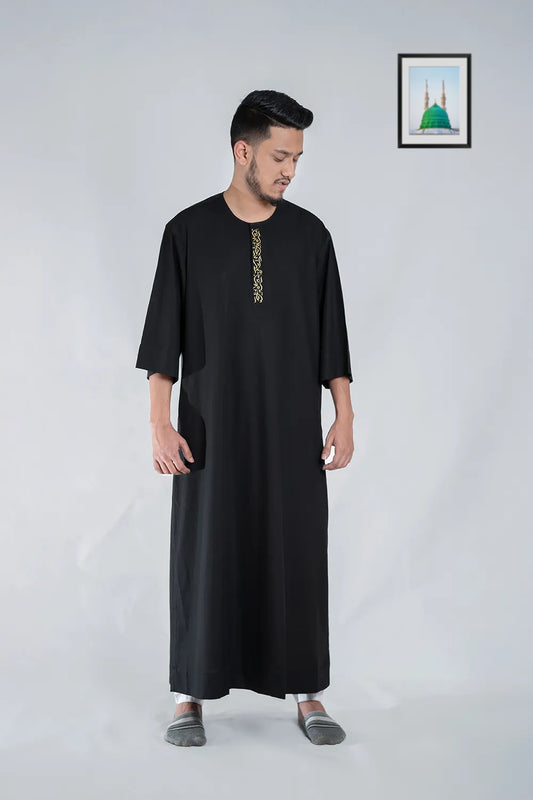
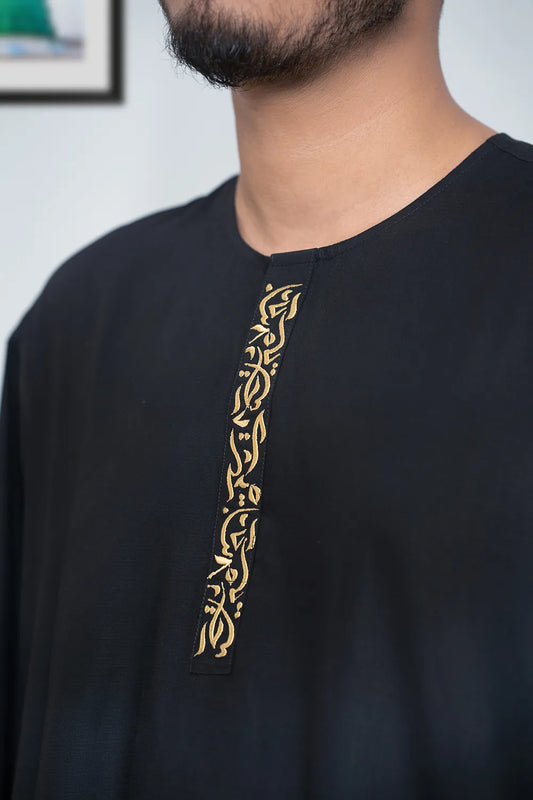
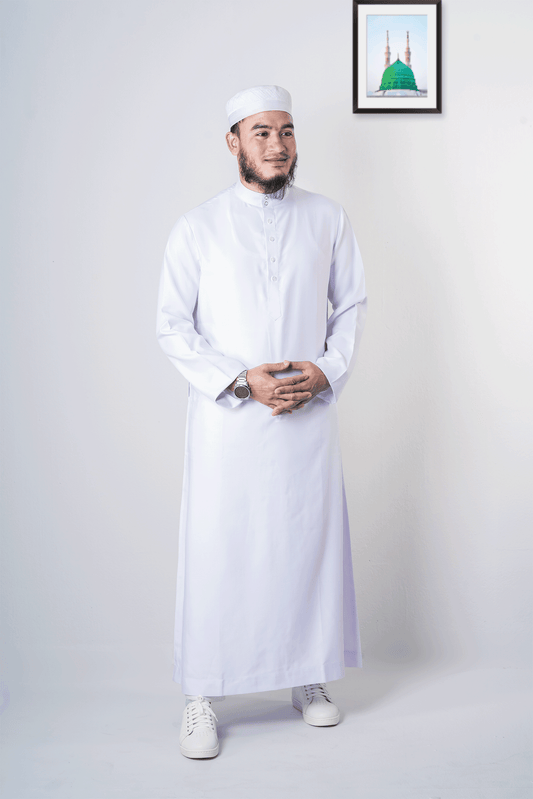
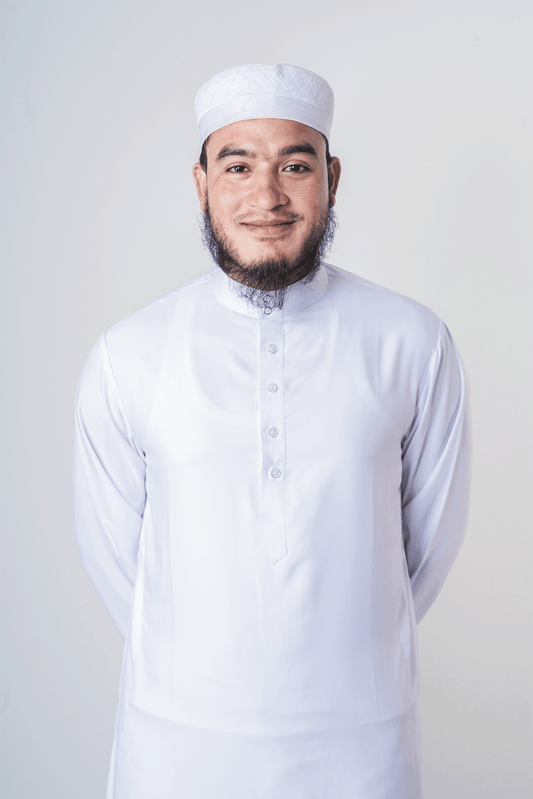
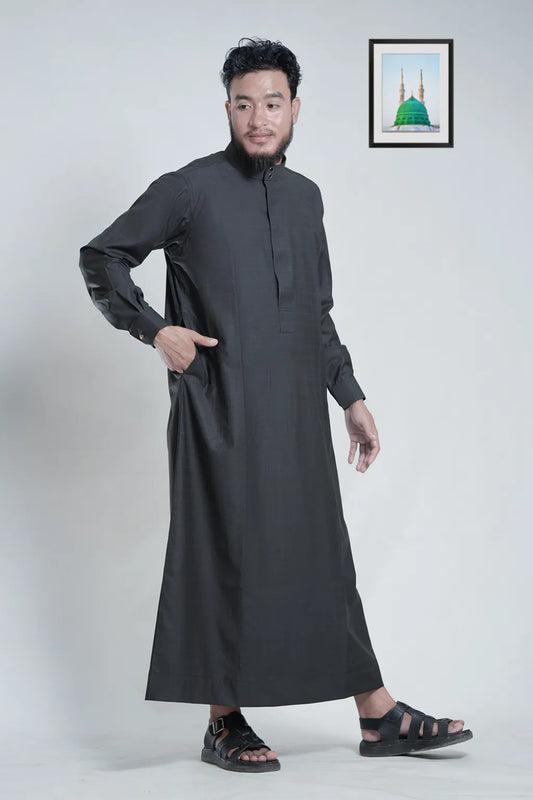
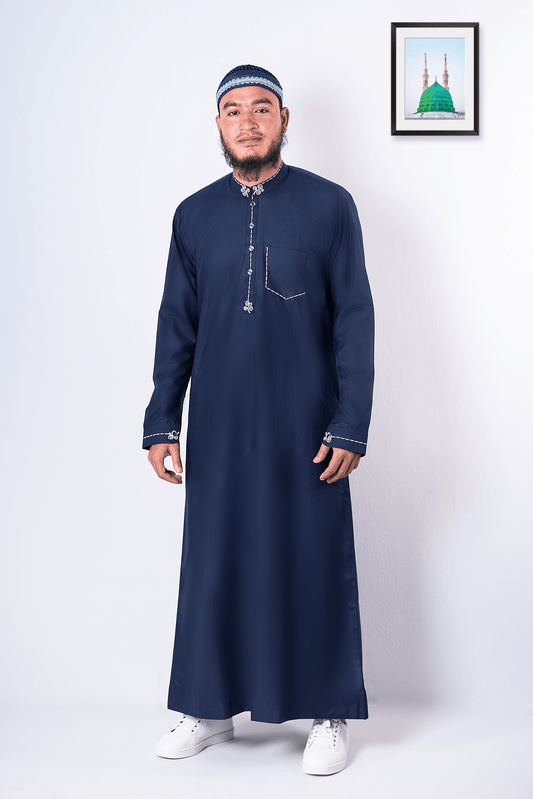
For men, a thobe can be a dignified and practical form of modest dress. It is not, however, a condition for a valid prayer or the only acceptable Muslim clothing. Muslims live within many cultures and wear many forms of lawful dress. The relevant principles are coverage, cleanliness, modesty, and freedom from pride—not loyalty to a single cultural style.
Begin With Niyyah
The Prophet Muhammad ﷺ taught that deeds are judged by intentions (Sahih al-Bukhari 1). Dressing can therefore become purposeful without becoming performative. A man may choose clean and modest clothing because he wants to obey Allah, prepare attentively for salah, and show respect for the masjid and the people gathered there. The same garment may be worn for habit, comfort, reputation, or worship; intention changes the spiritual meaning of the choice.
This does not require a dramatic ritual. Before dressing for prayer, pause long enough to renew the intention: I am covering myself properly, preparing to worship Allah, and trying not to distract others. That brief act turns getting dressed from an automatic task into part of a conscious transition toward salah.
Dress Properly for Worship
Allah says, “O Children of Adam! Dress properly whenever you are at worship” (Qur'an 7:31). The verse supports approaching worship with appropriate covering and dignity. It does not call for competition, extravagance, or anxiety about brands. A simple garment that is clean, opaque, comfortable, and suitable for prayer may serve the purpose better than an impressive outfit that demands constant adjustment or draws attention.
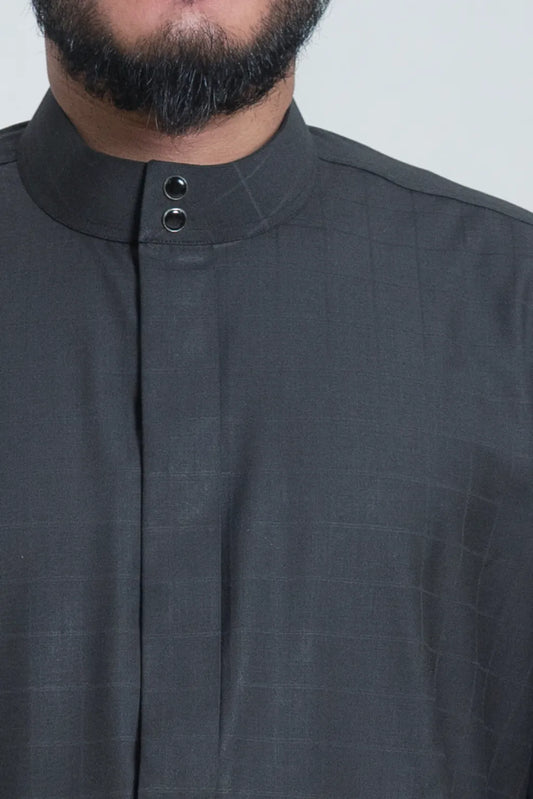
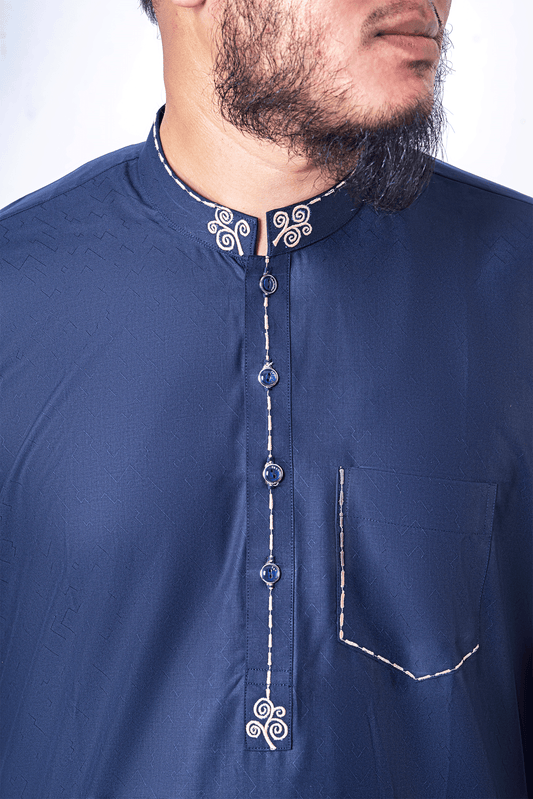
Fit matters for practical reasons. Clothing that is too tight may undermine modesty, while clothing that is excessively loose or poorly sized can distract during ruku and sujud. For men who prefer traditional dress, a well-fitted thobe — sized to your own measurements — can combine coverage with ease of movement. The goal is not to turn salah into a style display; it is to choose clothing that lets the worshipper focus on the prayer rather than on the clothing.
Make Readiness Easy to Repeat
Consistency often depends on reducing friction. Keeping one clean, prayer-ready outfit in an accessible place can make preparation easier before Fajr, after work, or when leaving quickly for the masjid. If the garment needs repair, washing, or ironing, dealing with it in advance prevents a minor practical problem from becoming an excuse to delay.

Purification remains distinct from clothing, but the two belong to the same broader habit of readiness. The Prophet ﷺ said, “Purification is half of faith” (Sahih Muslim 223). Wudu, clean clothing, and an orderly transition into prayer can reinforce one another. None of these outward actions automatically produces presence of heart, but they can create conditions in which attentiveness is easier.
The same principle applies to learning. Brief moments spent with clear lessons grounded in the Qur'an and Sunnah can give meaning to a practice that might otherwise become mechanical. As prayer approaches, the screen can be put away and that knowledge translated into action.
Beauty Without Pride or Waste
Wearing something well-made or attractive is not the same as arrogance. When a man asked about liking fine clothes and shoes, the Prophet ﷺ replied that Allah is beautiful and loves beauty; he then defined pride as rejecting the truth and looking down on people (Sahih Muslim 91a). This distinction protects a Muslim from two opposite mistakes: treating carelessness as piety, or treating appearance as superiority.
A Muslim man can appreciate craftsmanship, good fit, and a dignified appearance while remaining grateful and humble. He should also remember that the same verse that instructs proper dress at worship warns against waste. Buying more than is needed, chasing status, or judging another worshipper's clothes conflicts with the inward discipline that modest dress should support.
Let the Garment Point Beyond Itself
The most useful prayer garment is one that eventually becomes less noticeable. It has done its job when it covers properly, allows comfortable movement, and helps the wearer enter salah without fuss. At that point, attention should move away from the mirror and toward the qiblah.
Dressing with intention is therefore not about attaching holiness to a particular fabric. It is about using an ordinary choice to support an extraordinary meeting with Allah. Cleanliness can encourage readiness, modesty can protect dignity, and a familiar garment can signal that it is time to leave distraction behind. But the best clothing remains righteousness, and the real measure of preparation is the humility, obedience, and presence a worshipper brings into prayer.

 https://sunaan.com