

For Muslims, clothing has never been only about appearance.
We dress for warmth and comfort. We dress for work, weddings, Jumu'ah and Eid. But Islam also teaches us something deeper: even an ordinary act like getting dressed can carry intention, modesty and gratitude.
So what did the Prophet Muhammad ﷺ actually wear?
The answer is more interesting than simply saying "a thobe."
The Qamis: A Garment Loved by the Prophet ﷺ
One of the clearest descriptions comes from Umm Salamah رضي الله عنها, the wife of the Prophet ﷺ.
She reported:
"The most loved garment to the Messenger of Allah ﷺ was the Qamis."
Jami' at-Tirmidhi 1763 — graded Hasan
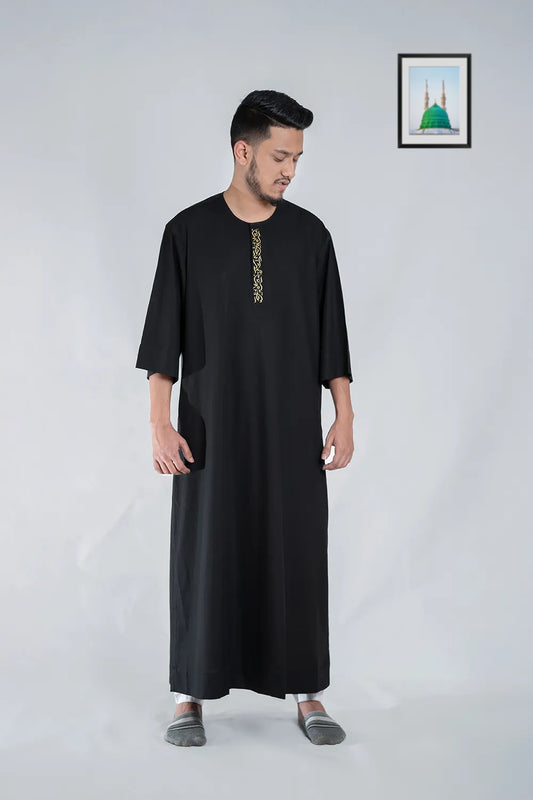
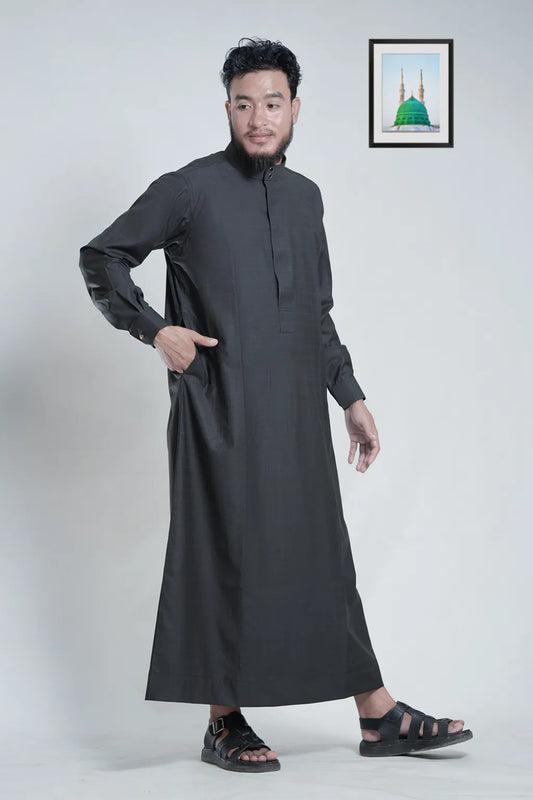
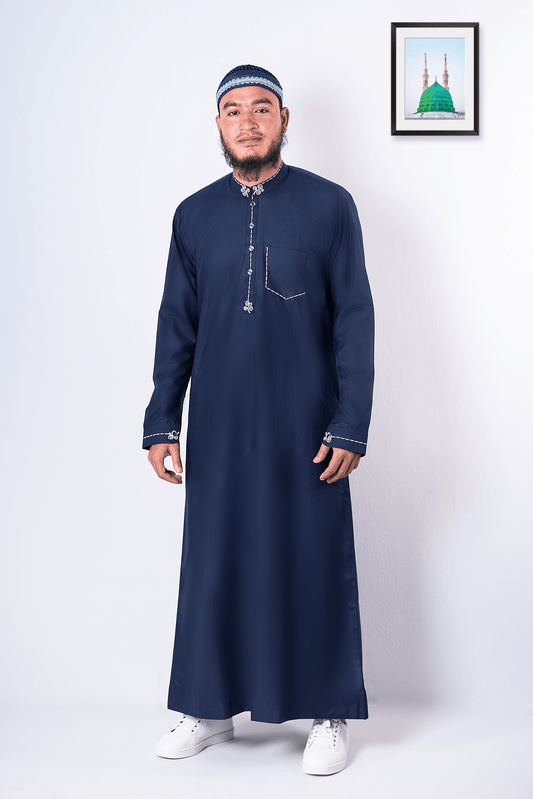
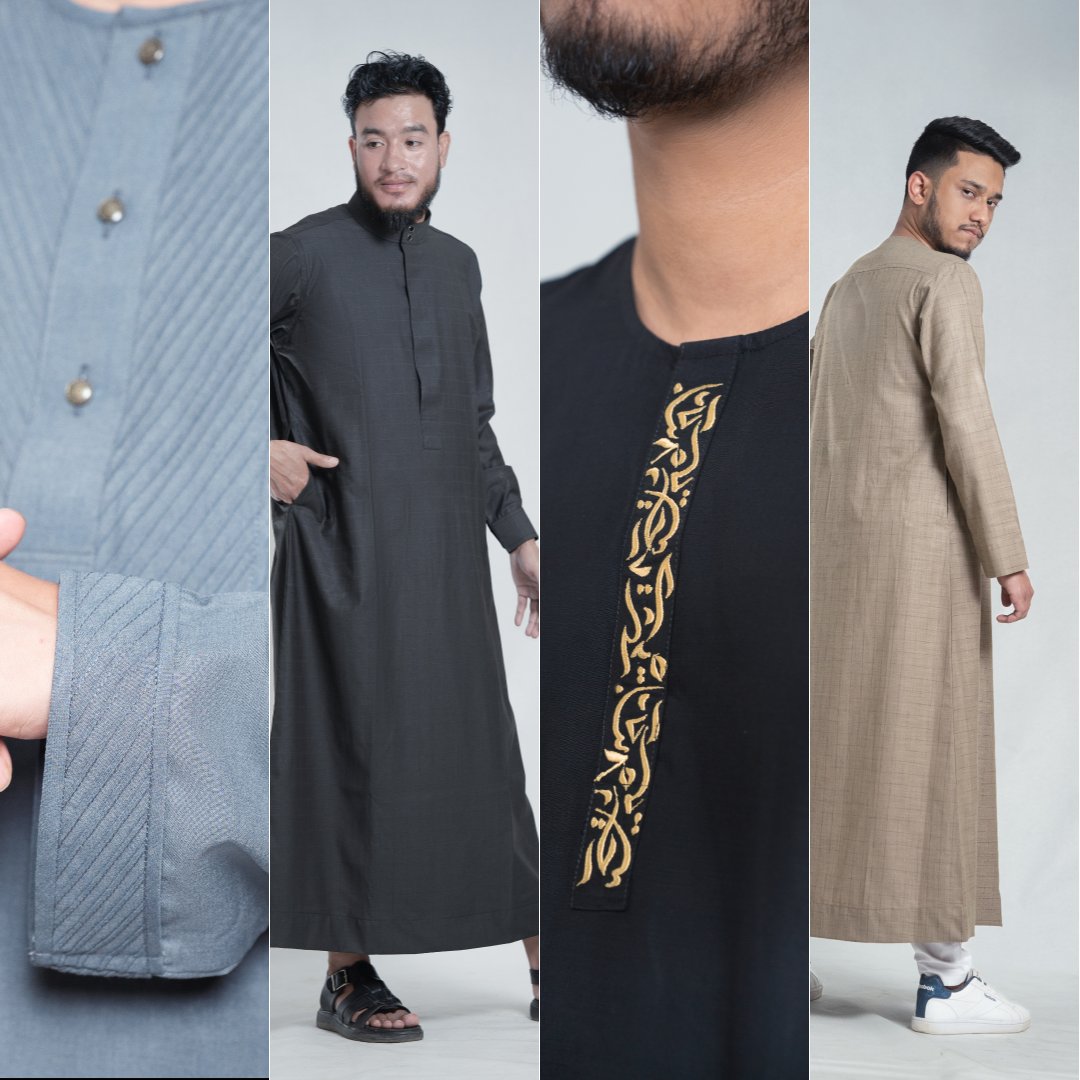
The qamis was a long shirt or tunic worn on the body. It is often compared with the long garments worn by Muslim men today, including what many of us call a thobe, thawb, kandura or dishdasha.
We should be careful, however, not to imagine that the Prophet's ﷺ qamis looked exactly like a modern Saudi or Emirati thobe.
Clothing has evolved over fourteen centuries. Cuts, collars, cuffs, pockets, fabrics and regional styles have changed.
What we can say is simpler: the Prophet ﷺ loved the qamis, and the tradition of Muslim men wearing a modest, long garment has continued across generations.
He ﷺ Didn't Wear Only One Type of Clothing
The Sunnah does not give us a single "Islamic uniform."
The Prophet ﷺ wore different garments available to people in his time.
For example, Anas ibn Malik رضي الله عنه was asked which clothing the Prophet ﷺ particularly liked. He mentioned the hibarah, a type of Yemeni cloth or mantle. This narration appears in both Sahih al-Bukhari and Sahih Muslim.
Another hadith about the dua for wearing new clothing mentions several types of garments by name, including an 'imamah (turban), qamis and rida' (outer garment).
This tells us something important.
Following the Prophet ﷺ in clothing does not necessarily mean trying to recreate a seventh-century Arabian wardrobe piece by piece.
There are principles behind the clothing too: modesty, cleanliness, simplicity and gratitude — and avoiding turning clothing into a source of arrogance.
What About White?
This is perhaps one of the most beautiful connections between clothing and the Sunnah.
The Prophet ﷺ encouraged white clothing.
Ibn Abbas رضي الله عنهما reported that the Messenger of Allah ﷺ said:
"Wear white clothes, for they are among the best of your clothes."
Reported by Abu Dawud, al-Tirmidhi and Ibn Majah; Riyad as-Salihin 778 — authentic
The hadith also instructs Muslims to use white cloth for shrouding the deceased.
But this doesn't mean the Prophet ﷺ only wore white. There are authentic reports of him wearing other colours and patterned garments. Abu Juhaifah رضي الله, for example, described seeing the Prophet ﷺ wearing a red mantle.
So white has a special place in the Sunnah, but Islam did not reduce men's clothing to one colour.
Simple Doesn't Mean Careless
There is an important distinction here.
Islamic simplicity is not the same thing as deliberately looking untidy.
A Muslim can care about how his clothes fit, how clean they are and how he presents himself without making clothing a competition in status. The garment can be beautiful while the person wearing it remains humble.
That distinction matters today. Modern fashion often encourages us to use clothing to signal who we are: wealth, status, taste, exclusivity or belonging.
The Prophetic approach points toward something quieter. Wear what is good. Keep yourself clean. Cover yourself properly. Appreciate what Allah has given you. And don't let the garment become greater than the person inside it.
Even Putting On New Clothes Had a Dua
Perhaps one of the most overlooked parts of the Sunnah of clothing is what happened after receiving something new.
Abu Sa'id رضي الله reported that when the Messenger of Allah ﷺ wore a new garment, he would identify the garment and make a supplication praising Allah for clothing him and asking Allah for its good and the good for which it was made.
Think about how different that mindset is from modern consumption.
You receive something new. Your first response isn't simply excitement about owning it. It's Alhamdulillah.
The clothing itself becomes another reason to remember the One who provided it.
So, Is Wearing a Thobe Sunnah?
This deserves a careful answer.
The authentic narrations establish that the qamis was among the garments worn and loved by the Prophet ﷺ.
But today's thobes come from many cultures and have developed considerably over time. An Emirati kandura does not look exactly like a Saudi thobe. An Omani dishdasha has its own characteristics. Other Muslim cultures developed their own forms of long, modest clothing.
So instead of obsessing over whether a particular collar, cuff or cut is "Sunnah," there may be something more valuable to take from the way the Prophet ﷺ dressed:
Choose modesty over showing off. Cleanliness over carelessness. Quality without arrogance. And gratitude over excess.
A Garment Can Be Ordinary and Still Carry Meaning
A thobe is ultimately a piece of clothing. It doesn't make its wearer more righteous. But clothing can remind us of something.
You may put on a clean white thobe before walking to Jumu'ah. You may wear one on Eid while taking your children to the masjid. You may pack one before travelling for Umrah. Or you may simply wear one because a loose, modest garment is comfortable and feels natural to you.
Fourteen centuries separate us from the streets of Madinah walked by the Messenger of Allah ﷺ. Our fabrics have changed. Our tailoring has changed. Our wardrobes have changed.
But the principles do not have to.
Dress well. Dress modestly. Remain humble. And when Allah gives you something as ordinary as a new garment, remember to say Alhamdulillah.
Sources
- Jami' at-Tirmidhi 1763, The Book on Clothing
- Sahih al-Bukhari 5812–5813, The Book of Dress
- Sahih Muslim 2079a–b, The Book of Clothes and Adornment
- Jami' at-Tirmidhi 1767, supplication when wearing a new garment
- Riyad as-Salihin 778, recommendation of white clothing

 https://sunaan.com