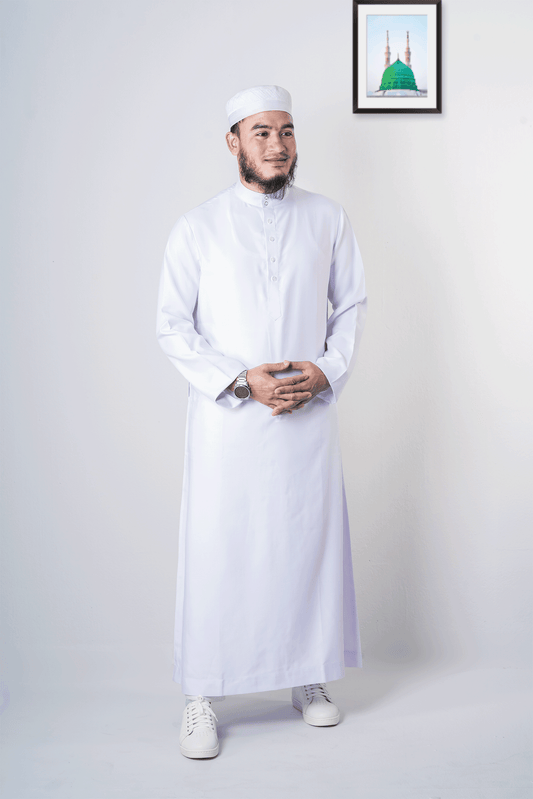


Many people believe that fasting in Islam is merely one thing: a person refrains from eating and drinking for certain hours. Yet fasting is much more than that. It is not only about your stomach. It is also about your heart, your habits, and your self-control.
While fasting, you are essentially teaching yourself that things which you normally do without thinking, you have to say “no” to them. This training makes you stronger inside.
Moreover, fasting is a reminder that life is not just about living in comfort. It teaches patience. It teaches gratitude. And it makes us share the feeling of those poor people who don’t have easy access to food.
That is why fasting is not designed to make you suffer—it is designed to make you a better person.
If you want more beginner-friendly Islamic learning resources and simple guides, you may explore Islamic Mentors for your advanced learning.
What Fasting Really Means in Islam
Fasting in Islam is referred to as Sawm. Simply, this entails that one is not allowed to eat or drink from dawn (Fajr time) up to sunset (Maghrib time). However, Sawm is not only about abstaining from food and water. It is also one's utmost effort to regulate one's conduct, speech, and even thoughts. Therefore, if a fasting individual keeps on lying, fighting, and insulting others, then such a person is missing out on a great portion of the teaching that fasting is meant to impart.
Fasting in Islam also heavily depends on the factor of niyyah (intention). The intention here is that a person fasting for Allah, Almighty is not for a show, not to prove a point, and not simply because others are doing it. Allah (SWT) knows, even if no one sees you. This is the reason why fasting is so unique—a private type of worship. Only you and Allah really know if you are truthful.
Besides that, fasting is not only in Ramadan. Ramadan, the time for obligatory fasting only, but Muslims can also fast on other days like voluntary fasting. The most important thing is that fasting is a tool that makes a person more patient, more thankful, and more conscious about their actions.
Why Fasting Is the Third Pillar (And Why That Matters)
In Islam, the Five Pillars are the fundamental “supports” of one’s faith. You can compare them to the legs of a sturdy table. If one leg is missing, the table becomes unstable. One of these pillars is fasting because through it you develop the most necessary virtue inside you: self-control and taqwa (being aware of Allah and trying to obey Him).
Fasting is a hard thing to do. When you are hungry or thirsty, you have to learn how to keep your cool and be patient. You also learn how to control your anger. Moreover, you learn how to stay away from bad habits even if it is difficult. This is precisely why fasting is so important. It educates you to be strong inside, not just on the outside.
Fasting is also a means to feeling thankful. On regular days, many of us eat without considering what we have. But when you fast and then break your fast at sunset, you understand how big even a simple glass of water is. Moreover, it makes you sympathize with those who do not have food regularly. That is why Ramadan is not only about fasting—it is also about being more loving, aiding others, and giving charity.
If you want a deeper and clearer breakdown of fasting as a pillar—why it’s so important, what it teaches, and the main rules—this guide explains it in an easy way: Why fasting in islam is the third pillar of faith.
The Spiritual Goals of Fasting (Not Just a Ritual)
Fasting is not a routine that should be carried out "dryly", in a way that one only feels hunger and awaits the iftar meal. The main purpose is to benefit the heart and the mind. In fact, Islam sees fasting as a means to increase one's spirituality, it is like training the soul the way you train the body.
The major objective of fasting is to acquire taqwa. Taqwa is the attribute of being more careful because one is always conscious of the fact that Allah is watching. For instance, when you are fasting, you may be extremely thirsty and want to drink water, particularly if the day is hot. Nevertheless, you don't. The reason is that you are doing it for Allah. That little instant conveys something mighty to your heart: "Even when nobody is forcing me, I am able to control myself."
The other goal is thankfulness. By fasting, you realize how food and water are the most valuable things. The things that you usually take for granted suddenly become such a great blessing. This, in turn, makes you more thankful not only in the month of Ramadan but even after it.
Fasting is also an instrument for the purification of one's behavior. While fasting, you refrain from lying, backbiting, swearing, and fighting. It is like a reset for your habits. You become aware of your own faults more and that is the very first step towards solving them.
In addition to that, a gigantic goal of fasting is empathy. When you experience hunger, you remember that there are people who don't just fast for a few hours, but for days. This makes you more loving, sharing, and helping people who are down.
A fast that is done properly will not only alter your food intake times, but it will also transform your personality.
Common Mistakes While Fasting
· Thinking fasting is only about food and water: Real fasting also includes controlling your words, anger, and attitude.
· Skipping Suhoor without a reason: It often makes you weak, lazy, and angry during the day.
· Arguing and getting into fights: Saying “I’m fasting” should remind you to stay calm, not to react.
· Backbiting, lying, or using bad language: These actions can ruin the reward of your fast.
· Sleeping the whole day: Rest is fine, but fasting is also about worship and improving yourself.
· Overeating at iftar: It makes you heavy and sleepy, and you may miss prayers or Taraweeh.
· Wasting time on social media or games: Too much screen time steals the best hours of Ramadan.
· Being kind only in Ramadan: The goal is to keep at least one good habit even after Ramadan ends.
FAQs about fasting
Q1. Is fasting only in Ramadan?
No. Ramadan fasting is compulsory for eligible Muslims, but there are also voluntary fasts you can do on other days too.
Q2. What matters more: hunger or behavior?
Both matter, but behavior is a huge part. If someone fasts but keeps lying or fighting, they are missing the purpose.
Q3. How can beginners avoid headaches and weakness?
Eat a good suhoor, drink enough water, avoid too much caffeine, and don’t overload on salty or sugary foods at night.
Q4. What if I struggle with motivation during fasting?
Start small. Make one simple goal, like controlling your tongue or praying on time, and ask Allah for help daily.
Q5. How can I keep the benefits after Ramadan ends?
Keep one habit from Ramadan, like one short daily Qur’an reading, one dua, or one small act of charity.
Conclusion
Islamic education is more than just refraining from eating. It's a beautiful way to develop your heart, mind, and even your behavior. Through fasting, you discover self-restraint. You discover endurance. You discover thankfulness. Simultaneously, you begin to identify with those who are less fortunate than you. This is the reason fasting is so awesome—it has the capacity to totally transform your inner self.
The most effective way to give your fasting a value is as straightforward as this: just select one spiritual goal (for example, controlling your anger or improving your speech) and select one good habit (such as a small daily dua or a little charity). Then make a point of continuing it even after Ramadan is over. Small daily acts can gradually develop a strong Muslim character.
Would you like me to insert a brief final “wrap-up” paragraph that gently reminds readers of the detailed fasting guide link again, or shall we retain only the one link we have already placed?

 https://sunaan.com