
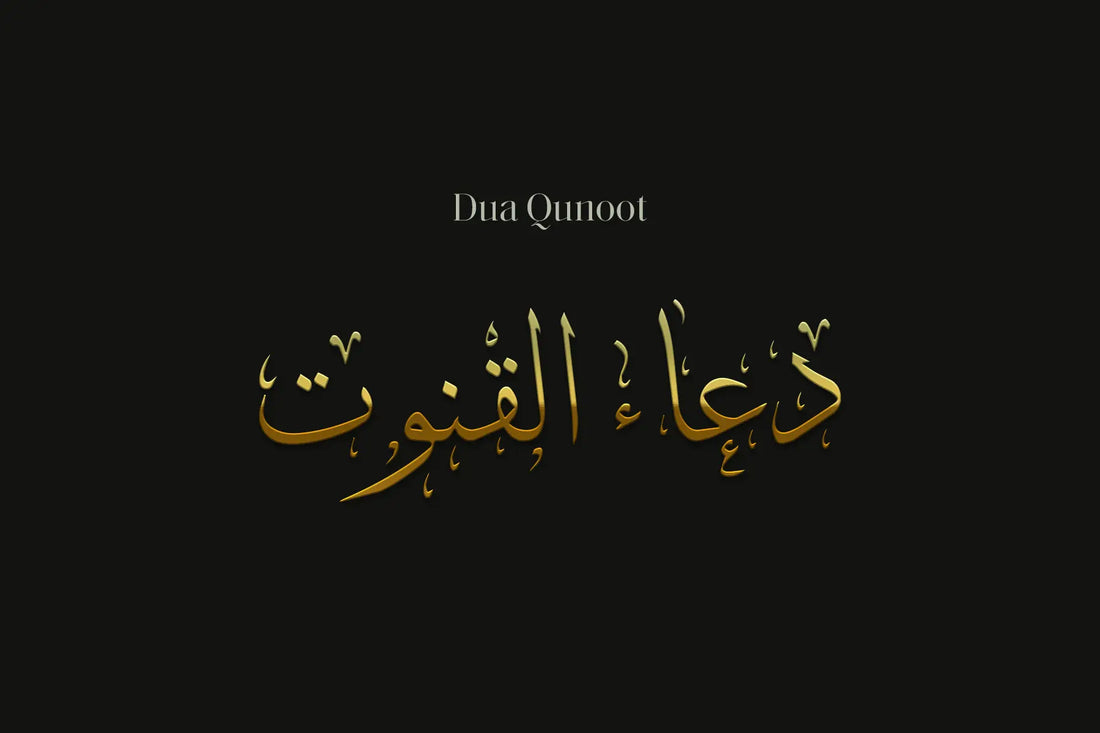
Dua e Qunoot is an essential and effective blessing in Islam, which is generally recited in the Witr prayer. It has a significant religious function because of its appeal for protection, repentance, and power. This article provides comprehensive information about Dua e Qunoot, including the Arabic text, English translation, its benefits, and guidance on how Muslims practice its recitation.
What is Dua e Qunoot?
Qunoot is derived from Qanata, an Arabic term meaning obedience, humility, and devotion. Dua e Qunoot is a prayer that declares oneself as a slave of Allah and entirely depends on Him. It is recited at Witr prayer, the last prayer of the night within the frame of the Sunnah of the Prophet Muhammad (pbuh).
Dua e Qunoot in Arabic
In Arabic
اللَّهُمَّ إِنَّا نَسْتَعِينُكَ وَنَسْتَغْفِرُكَ وَنُؤْمِنُ بِكَ وَنَتَوَكَّلُ عَلَيْكَ وَنُثْنِي عَلَيْكَ الْخَيْرَ وَنَشْكُرُكَ وَلَا نَكْفُرُكَ وَنَخْلَعُ وَنَتْرُكُ مَنْ يَفْجُرُكَ. اللَّهُمَّ إِيَّاكَ نَعْبُدُ وَلَكَ نُصَلِّي وَنَسْجُدُ وَإِلَيْكَ نَسْعَى وَنَحْفِدُ وَنَرْجُو رَحْمَتَكَ وَنَخْشَى عَذَابَكَ إِنَّ عَذَابَكَ بِالْكَافِرِينَ مُلْحِقٌ.
Transliteration (In English)
Allāhumma innā nasta‘īnuka wa nastaghfiruka wa nu’minu bika wa natawakkalu ‘alayka wa nuthnī ‘alaykal-khayr(a), wa nashkuruka wa lā nakfuruk(a), wa nakhla‘u wa natruku man yafjuruk(a).
Allāhumma iyyāka na‘budu wa laka nuṣallī wa nasjudu wa ilayka nas‘ā wa naḥfid(u), wa narjū raḥmatak(a), wa nakhshā ‘adhābak(a), inna ‘adhābaka bil-kāfirīna mulḥiq(un).
Translation:
"O Allah, we seek Your help and forgiveness; we believe in You; we trust in You; and we praise You in the best manner. We are grateful to You and do not deny You; we forsake and turn away from those who disobey You. O Allah, You alone we worship; to You alone we pray and prostrate. For Your sake, we strive and struggle, and we hope for Your mercy while fearing Your punishment. Indeed, your punishment will reach the disbelievers."

When to Recite Dua e Qunoot
Dua e Qunoot is usually read in the last Rakah of the Witr salah. While in the qiyam of salah (standing posture), after reciting Surah Al-Fatihah and a second Surah, the worshiper raises the hands and recites Dua e Qunoot to bow.
Although reciting this invocation continuously after Witr prayer is Sunnah, other du'as can also be recited. During tough times or crisis periods in the life of Muslims, they can add Dua e Qunoot in prayers to get a response from Allah.
Why Recite Dua e Qunoot
1. build up a bond with Allah
Dua e Qunoot beautifully teaches us to be submissive and bow before Allah in supplication, and that is why it is called "Qunoot." It assists Muslims to learn humility and be thankful to their Creator while reminding them of their responsibility as submitters.
2. Asking for Help and Mercy
This supplication is a heartfelt plea for Allah's guidance, protection, and forgiveness. It emphasizes the importance of seeking Allah’s assistance in finding the right path, shielding oneself from harm, and seeking pardon for past mistakes.
These elements are not only vital for individual growth but also play a crucial role in a Muslim's spiritual purification, helping them stay aligned with the principles of faith and righteousness.
3. Instills a Sense of Obedience
They recite from it the Shahadah, which affirms their loyalty to Allah and rejection of disobedience as a way of affirming their adherence to righteousness. It has a far-reaching effect on the modeling of their characters.
4. Serves as Protection from Risk
Dua e Qunoot is recited during times of distress or confusion. It is believed that this powerful supplication brings a light of hope, soothing the believer’s heart and mind. By invoking Allah’s assistance, it helps Muslims find strength and guidance to overcome challenges and navigate through difficult times with faith and patience.

Tailor a thobe to fit your size

No measurements required

Worldwide delivery

30 days easy return
Tips for Memorizing and Reciting Dua e Qunoot
1. Break it into Sections
It is too long a du'a to memorize at one instance; it is, therefore, advisable to split it into several parts since that would only require one section to be revised every day. This means repeating each section multiple times will be effective in helping people retain the information.
2. Use Audio Resources
Qari, anybody who recites the Quran to listeners, can significantly help master intonation and flow. Dua e Qunoot is on many online platforms, offering audio and video tutorials on how to learn the prayer.
The following video can be used to help you learn how to recite Dua e Qunoot, with guidance on proper intonation and flow.
3. Write it Down

One way to partake in memorization of the du'a is by writing it by hand. Make a paper on which you write and edit the Arabic text and the English translation.
4. Practice During Prayer
Make the habit of including Dua e Qunoot in your Witr prayer. Practice makes the memory strong and increases your relationship with the du'a.
Conclusion
Dua e Qunoot is a beautiful and noble dua with a critical position in Salah. Reciting it in the prayer of Witr is an act of submission, thankfulness, and hope in Allah's kindness. Understanding its meaning and benefits can deepen a Muslim's worship experience and strengthen their relationship with Allah.
Learning and reciting Dua e Qunoot decorates the prayer and is a daily reinforcement of the code of conduct. As Muslims, we should be humble, obedient, and solely dependent on Allah. If any of you are struggling, embrace this du'a in your prayers and see the change it will bring to your life.
Read more
- Dua Yunus: The Ultimate Guide to Finding Strength in Your Darkest Moments
- 7 Deeds That Carry the Reward of Hajj (Even If You Couldn't Go This Year)
- Surah Mulk: Importance, Benefits, and Why You Should Recite It Daily
- 100+ Best Duas for Health, Happiness, Success, & more
1. What is Dua e Qunoot?
Dua e Qunoot is a supplication recited in the Witr prayer. It expresses humility, devotion, and complete reliance on Allah through words of praise, gratitude, and seeking protection.
2. When is Dua e Qunoot recited?
It is recited in the final rak‘ah of the Witr prayer after Surah Al-Fatihah and another Surah, while standing and raising the hands before bowing.
3. Can Dua e Qunoot be recited outside Witr?
Yes. It may also be recited during difficult times, trials, or calamities as a general dua seeking comfort, strength, and divine assistance.
4. Is Dua e Qunoot obligatory?
It is not obligatory. Reciting Dua e Qunoot in Witr is a strong Sunnah, but the prayer remains valid if someone forgets or is unable to recite it.
5. What is the difference between Dua Qunoot and Qunoot Nazilah?
Dua Qunoot is recited regularly in Witr.
Qunoot Nazilah is a special supplication recited during periods of calamity or widespread difficulty.
6. Can beginners read a shorter or transliterated version?
Yes. Beginners commonly start with transliteration and gradually memorize the Arabic text. Transliterations help with pronunciation until the full dua is learned.
How Do You Read Dua Qunoot in English Transliteration?
Dua Qunoot in English refers to the meaning and translation of the supplication recited in the Witr prayer. It is a heartfelt plea asking Allah for help, forgiveness, guidance, mercy, and protection, while affirming worship and complete reliance on Him.
English Translation:
“O Allah, we seek Your help and ask Your forgiveness. We believe in You, rely on You, and praise You with all goodness. We are grateful to You and do not deny You. We forsake and turn away from those who disobey You.
O Allah, You alone we worship; to You we pray and prostrate. For Your sake we strive. We hope for Your mercy and fear Your punishment. Truly, Your punishment will overtake the disbelievers.”
Transliteration:
Allāhumma innā nasta‘īnuka wa nastaghfiruka wa nu’minu bika wa natawakkalu ‘alayka wa nuthnī ‘alaykal-khayr(a), wa nashkuruka wa lā nakfuruk(a), wa nakhla‘u wa natruku man yafjuruk(a).
Allāhumma iyyāka na‘budu wa laka nuṣallī wa nasjudu wa ilayka nas‘ā wa naḥfid(u), wa narjū raḥmatak(a), wa nakhshā ‘adhābak(a), inna ‘adhābaka bil-kāfirīna mulḥiq(un).

 https://sunaan.com